Navigating Recovery from Basal Ganglia Stroke
Overview of Research Topic
Brief Background and Context
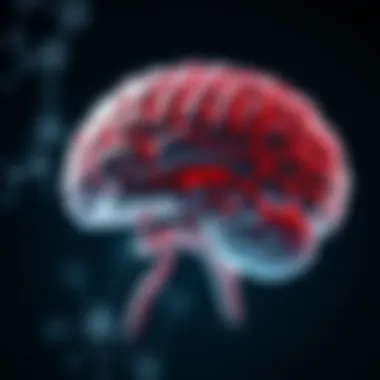
The basal ganglia are a group of nuclei located deep within the cerebral hemispheres of the brain. They play a pivotal role in a range of functions, including motor control, learning, and emotion. Strokes affecting this area can lead to significant challenges, as they may disrupt both movement and cognitive functions. Understanding how to navigate recovery from such a stroke is crucial, not just for rehabilitation but to enhance overall quality of life. With the prevalence of stroke on the rise, especially among older adults, this topic is becoming increasingly relevant.
Importance in Current Scientific Landscape
In recent years, the exploration of basal ganglia strokes has surged within the scientific community. Research indicates that recovery is possible through various methods, including physiotherapy and occupational therapy, combined with a supportive psychological environment. The nuanced interplay of neuroplasticity—the brain's ability to adapt and reorganize itself—allows for new connections to be forged even after significant trauma. As scientists delve deeper into the anatomy and function of the basal ganglia, they uncover the potential for rehabilitation and recovery that opens new doors for therapies.
Further, the incorporation of technology, like robotic assistance and virtual reality, into recovery processes represents a critical frontier in modern rehabilitation. Researchers are working tirelessly to identify the most effective strategies to optimize recovery trajectories for patients who have faced such life-altering strokes.
Methodology
Research Design and Approach
This investigation employs a mixed-method approach, utilizing both qualitative and quantitative data to produce a well-rounded understanding of recovery after basal ganglia strokes. Case studies from diverse patient profiles help illustrate the breadth of recovery experiences, while statistical analyses reveal common outcomes and therapeutic efficacy. This robust combination of methodologies enhances the reliability of the findings.
Data Collection Techniques
- Interviews with Healthcare Professionals: These interviews help gather insights on effective treatments and emerging therapies.
- Patient Surveys: Collecting subjective feedback from stroke survivors highlights the emotional and psychological aspects of recovery.
- Case Studies: In-depth examination of specific patient recoveries under varying treatment models provides a valuable understanding of the recovery landscape.
- Literature Review: An exhaustive review of existing research articles and medical journals helps ground the findings within the current scientific discourse.
"Neuroplasticity illustrates the brain's capacity to adapt, offering hope and pathways for recovery in even the most challenging situations."
Understanding the intricate details of basal ganglia stroke recovery lays the groundwork for future explorations. This narrative not only aims to inform but also to inspire ongoing discussion and research in this vital area of healthcare.
Prologue to Stroke and the Basal Ganglia
Understanding stroke, particularly when it involves the basal ganglia, is essential for grasping the broad spectrum of recovery challenges. The basal ganglia are a group of nuclei in the brain critical for movement regulation, habit formation, and emotional responses. When a stroke affects this region, it can significantly hinder motor skills and cognitive functions, leading to a complex and multi-dimensional recovery process. Therefore, a thorough grasp of both stroke itself and the nuances of the basal ganglia is vital for tailoring effective rehabilitation and support strategies.
The Basics of Stroke
In essence, a stroke occurs when blood flow to a part of the brain is interrupted, causing cells in that region to be starved of oxygen and nutrients. The two predominant types of strokes are ischemic and hemorrhagic. An ischemic stroke, accounting for a vast majority of cases, arises when a blood clot obstructs a blood vessel. In contrast, a hemorrhagic stroke involves the rupture of a blood vessel, leading to bleeding in or around the brain.
Key characteristics of strokes include:
- Sudden onset: Symptoms can present rapidly, often without warning.
- Diverse symptoms: Depending on the area affected, symptoms can range from weakness or paralysis on one side to speech difficulties or visual impairments.
- Need for urgency: Immediate medical attention can significantly impact recovery potential and outcomes.
Despite improvements in medical treatment and emergency response protocols, understanding the complexities of stroke remains crucial for both patients and healthcare providers.
Understanding Basal Ganglia Function
The basal ganglia consist of several nuclei, including the caudate nucleus, putamen, and globus pallidus. These structures work in harmony to facilitate smooth and coordinated movements and play a role in learning and habit formation. When strokes affect the basal ganglia, they can disrupt these functions in various ways:
- Motor Control: The motor pathways, influenced by the basal ganglia, regulate voluntary movement. Damage may result in paralysis, tremors, or altered coordination.
- Cognitive and Emotional Impact: Beyond physical effects, issues with motivation, mood regulation, and cognitive processes can occur.
With an intricate network of connections to other brain regions, the basal ganglia's role in the overall neurological landscape cannot be understated. Grasping this complexity is pivotal for understanding the challenges faced by individuals recovering from strokes that involve these critical areas.
Types of Strokes Affecting the Basal Ganglia
Understanding the types of strokes that can impact the basal ganglia is paramount in grasping how recovery can be approached. Strokes that affect this area of the brain can lead to diverse physical and cognitive challenges, impacting a patient's overall life quality. This section provides a comprehensive overview of the major stroke types, each presenting unique characteristics and requiring tailor-made rehabilitation strategies. By examine these strokes, we prepare the reader to recognize signs, pursue timely interventions, and approach recovery holistically.
Ischemic Stroke
An ischemic stroke occurs when blood flow is obstructed, often due to a clot formed either in an the artery supplying the brain or clots that travel from other parts of the body. The basal ganglia, being deeply embedded within the brain structure, are particularly vulnerable during these incidents. The lack of oxygen can result in cellular death, leading to significant motor and cognitive deficits.
In dealing with ischemic strokes, it's essential to understand risk factors such as hypertension, diabetes, and hyperlipidemia, as these conditions can significantly increase the likelihood of this type of stroke. Immediate assessment of symptoms and swift medical action is crucial. Treatment might involve medications aimed at dissolving the clot or surgical interventions in severe cases.
"Swift medical care could mean the difference between recovery and chronic disability for stroke victims."
Hemorrhagic Stroke
On the other hand, a hemorrhagic stroke happens when a blood vessel ruptures, causing bleeding within or around the brain. This not only reduces blood supply to brain tissues but also leads to swelling and increased pressure inside the skull, jeopardizing nearby brain structures, including the basal ganglia.
The causes can range from aneurysms to arteriovenous malformations. Here, prompt medical to alleviate pressure and manage bleeding is paramount. In the context of recovery, a longer rehabilitation process may be anticipated due to the accompanying brain swelling and damage, as well as potential complications that may arise during the recovery journey.
Transient Ischemic Attack
A transient ischemic attack (TIA), often referred to as a mini-stroke, is another critical type to consider. Though temporary, TIAs serve as warning signs and should not be taken lightly. They occur when blood flow to the brain is temporarily disrupted, leading to symptoms similar to those of a stroke but without lasting damage. Typically, symptoms resolve within 24 hours.
While a TIA does not cause permanent injury, those who experience one are at a higher risk of having a full stroke in the future. Recognizing these patterns and understanding that they point to underlying vascular issues is crucial for preventative care. Monitoring and lifestyle changes become essential components in averting complications and optimizing outcomes.
Mechanisms of Injury in the Basal Ganglia
Understanding the mechanisms of injury in the basal ganglia is crucial as it plays a pivotal role in stroke recovery. The basal ganglia are deeply involved in movement regulation and cognitive control, thus their impairment can lead to significant motor and non-motor deficits. This section dissects the various cellular and molecular responses following a stroke and how inflammation contributes to tissue damage, impacting the recovery journey.
Cellular and Molecular Responses
After a stroke, whether ischemic or hemorrhagic, the cells surrounding the affected area react in various ways. When blood flow is disrupted, neurons begin to undergo a series of changes that can lead to cell death.
This complex response is characterized by:
- Excitotoxicity: A surge in glutamate, a neurotransmitter, occurs leading to overstimulation of neurons which can cause cell death.
- Apoptosis: This is a programmed cell death that can be triggered by stress signals and prolonged oxygen deprivation. Neuroprotective strategies aim to mitigate this response, thereby preserving as many neurons as possible.
- Reactive Oxygen Species (ROS) Production: These molecules can damage cellular components. Their presence increases during ischemic episodes and contributes to the overall injury of cells in the basal ganglia.
Each of these responses highlights the critical nature of timely intervention and continual monitoring in stroke recovery, providing essential insight for rehabilitation approaches.
Inflammation and Tissue Damage
Inflammation serves as a double-edged sword in the context of stroke recovery. On one hand, it acts as a protective mechanism, potentially promoting healing by clearing out dead cells and debris. On the other hand, excessive inflammation can be detrimental.
- Cytokine Release: Chemokines and cytokines are secreted by injured cells, leading to the recruitment of immune cells to the site of injury. While this is beneficial initially, chronic inflammation can exacerbate tissue damage and impair recovery.
- Blood-Brain Barrier Disruption: Following a stroke, the blood-brain barrier—protects the brain from harmful substances—can become compromised. This allows harmful substances and immune cells to enter the brain tissue, causing more injury.
- Secondary Injury Effects: Inflammation can lead to further injury in surrounding healthy tissue, making recovery more complicated. Researchers are exploring how to control this inflammatory response to enhance rehabilitation efforts.
Overall, a comprehensive understanding of these mechanisms helps guide healthcare professionals in creating tailored rehabilitation strategies for those affected by basal ganglia strokes. Improved approaches may depend on nuanced considerations of an individual’s cellular responses and the inflammatory states post-stroke.
"Understanding the intricacies of cellular response and inflammation is essential for developing effective rehabilitation tactics in stroke recovery."
In summary, recognizing the cellular and inflammatory processes at play after a basal ganglia stroke can aid in the creation of more effective, patient-centered treatment protocols. Focus is increasingly turning toward methods that not only address the immediate aftermath, but also foster long-term recovery solutions.
Initial Assessment and Diagnosis
Assessment plays a critical role in the recovery journey for individuals impacted by stroke, especially those with damage to the basal ganglia. This phase is more than just a preliminary procedure; it sets the stage for all subsequent treatments and rehabilitation. Early and accurate diagnosis can determine not only the immediate care and interventions but also the long-term rehabilitation strategies employed. Without this crucial process, identifying the specific type and extent of injury becomes a daunting task, potentially delaying effective treatment.
Medical Imaging Techniques
When the stroke strikes, time and precision are essential. Medical imaging techniques work as the eyes for clinicians, helping them visualize the areas of the brain affected and the overall condition of cerebral tissue. Commonly employed methods include:
- CT Scans: These scans are often the first imaging tool used in hospitals. They can quickly show any bleeding in the brain, which is particularly relevant in cases of hemorrhagic strokes. However, CT scans may not always clearly display ischemic strokes in their initial stages.
- MRI (Magnetic Resonance Imaging): Unlike CT scans, MRIs provide a more detailed view of brain tissues, including the basal ganglia. This method identifies both recent and older strokes, allowing for better understanding of the cerebral damage.
- Angiography: This technique utilizes X-rays or MRI to display blood vessels in the brain. Physicians can understand vascular issues that may lead to or exacerbate stroke conditions.
The initial choice of imaging depends on factors such as the type of stroke suspected, the time elapsed since the onset of symptoms, and the patient's overall medical condition. Understanding these images is essential. Clinicians will look for signs of tissue death, precise locations of blockages, or bleed locations. This specificity paves the way for appropriate treatment protocols and rehabilitation plans.
Neurological Examination
The neurological examination is the bedrock of assessing stroke patients. It's where clinicians can glean a wealth of information from a thorough assessment of both physical and cognitive functions. These evaluations may seem straightforward, but they are laden with significance. During this examination, practitioners will check for:
- Motor Function: Testing strength, coordination, and control in different muscle groups enables the identification of focal neurological deficits. This assessment informs therapies tailored to overcome specific movement challenges.
- Sensory Function: Evaluations cover the tactile sensations and responses of patients. Identifying sensory deficits can help tailor occupational therapy interventions later on.
- Speech and Language Abilities: Aphasia is often a concern following strokes. Evaluating a patient’s speaking, comprehension, reading, and writing skills sheds light on their communication needs and guides speech therapy.
- Cognitive Function: Practitioners often gauge memory, problem-solving, and attention spans. These aspects cannot be overlooked, as cognitive functions significantly affect recovery trajectories.
Such thorough and systematic assessments allow clinicians to build a comprehensive picture of the patient's deficits, strengths, and ultimately the prognosis for recovery. In many ways, these assessments are like clues that, when pieced together, can reveal a pathway forward.
"The thoroughness of initial assessments cannot be overstated; they provide the foundation upon which recovery is built".
In summary, whether through medical imaging or a dynamic neurological examination, the initial assessment and diagnosis serve as crucial elements in guiding subsequent recovery processes post-stroke. Their influences reach far beyond the emergency room, shaping the entire rehabilitation landscape for those affected.
Neuroplasticity and Recovery
Neuroplasticity plays a crucial role in the recovery process following a stroke, particularly in relation to damage within the basal ganglia. This remarkable ability of the brain to reorganize itself forms the foundation of many rehabilitation strategies employed by healthcare professionals. When a stroke occurs, especially in critical areas like the basal ganglia, it can lead to both motor and cognitive deficits. Understanding neuroplasticity allows us to grasp how recovery can be optimized through targeted interventions.
The Role of Neurogenesis
Neurogenesis refers to the formation of new neurons in the brain, a process that can occur in certain regions even after injury. This is particularly salient in the context of stroke recovery. The search for evidence that neurogenesis can support recovery has led researchers to investigate ways to stimulate this process post-stroke. For instance:
- Physical exercise has been shown to promote neurogenesis. Engaging in regular physical activity can enhance blood flow and oxygen supply to brain cells, fostering an environment ripe for new neuronal growth.
- Cognitive stimulation through engaging activities can also spur neurogenic processes. Incorporating challenging cognitive tasks into therapy—like puzzles or memory games—helps not just for mental engagement but also seems to encourage the growth of new neural connections.
This underscores that recovery is not entirely about repairing damaged structures but also involves creating new pathways for function. The remarkable adaptability of the brain means that even individuals with significant impairments can experience improvements given the right circumstances.
Rewiring Neural Pathways
Rewiring neural pathways is another aspect of neuroplasticity vital for recovery from basal ganglia strokes. When brain cells are injured, certain pathways may become less active or entirely inactive. However, the brain can build new pathways that compensate for these losses. Strategies to promote rewiring include:
- Task-oriented training, which focuses on repetitive practice of specific movements, can help re-establish lost functions. For instance, practicing grasping and releasing objects through structured therapy can lead to improved function over time.
- Mirror therapy is a novel approach where a patient observes the reflection of their unaffected limb performing movements. This feedback mechanism seems to improve the brain’s ability to form connections required for the affected limb as well.
Research indicates that the earlier these interventions begin after a stroke, the better the chances for effective rewiring.
"The brain is the most adaptable of all organs, capable of constructing new pathways and adapting to changes."
In sum, neuroplasticity offers a critical lens through which we can view recovery after a basal ganglia stroke. Both neurogenesis and the rewiring of neural pathways present promising opportunities not just for recovery but for enhancing the quality of life. Future research into these processes continues to shine light on effective rehabilitation strategies, deepening our understanding of how the brain can fight back after adversity.
Rehabilitation Strategies
Rehabilitation is a cornerstone of recovery after a stroke, particularly when it affects the basal ganglia. The basal ganglia play a crucial role in voluntary motor control, learning, and emotion, thus their impairment can lead to a broad range of challenges. Well-structured rehabilitation strategies provide a tailored approach, helping patients regain lost functions, improve their quality of life, and enhance their overall independence.
The importance of rehabilitation post-stroke simply cannot be overstated. Many factors contribute to how effective these strategies will be, including the type and severity of the stroke, the individual’s existing health conditions, and their personal motivation. With a comprehensive rehabilitation approach, patients can maximize their own recovery potential through targeted therapies and support.
Physical Therapy Approaches
Physical therapy is often the first line of defense in rehabilitation for stroke survivors. Initial sessions may focus on restoring basic movement patterns and strength—this is essential for patients trying to relearn how to walk or even perform activities of daily living. Here are some key elements of physical therapy:
- Range of Motion Exercises: These help maintain flexibility, preventing stiffness in muscles and joints.
- Strength Training: Gaining strength in weakened muscles is imperative for regaining mobility.
- Balance and Coordination Training: This is critical for improving stability, thus reducing the risk of falls.
- Endurance Training: As patients progress, incorporating aerobic activities can enhance stamina, which is vital for long-term recovery.
Physical therapists often use varied techniques such as neurodevelopmental therapy and constraint-induced movement therapy. Neurodevelopmental therapy focuses on re-learning normal movement patterns and can help patients adapt to their unique deficits. Constraint-induced movement therapy encourages the use of the affected limb, promoting neuroplasticity and functional improvement.
Occupational Therapy Interventions
While physical therapy targets mobility, occupational therapy zeroes in on enhancing the patients’ ability to carry out daily tasks. This is vital for engaging in life's activities independently. Occupational therapists assess both the physical and cognitive aspects of recovery, tailoring interventions to meet the individual needs of each patient. Key strategies include:
- Adaptive Techniques: Using tools and techniques that enable patients to perform daily living activities like dressing or cooking more easily.
- Task Analysis: Breaking down complicated tasks into smaller, manageable steps to increase a sense of accomplishment.
- Home Modifications: Advising on changes to the home environment that can enhance accessibility and safety.
- Cognitive Rehabilitation: Providing strategies to deal with cognitive deficits, thereby ensuring that not only physical tasks can be accomplished.
For many stroke survivors, the goal is returning to a familiar routine and maintaining autonomy in their lives. Occupational therapy can facilitate that transition with tailored interventions.
Speech Therapy Considerations
Communicating effectively can become a significant challenge following a stroke. Speech-language pathologists play an essential role in helping patients regain their communication skills. They work with individuals facing aphasia, which affects language comprehension and expression. Here’s how speech therapy aids in recovery:
- Language Rehabilitation: Tailoring approaches to improve vocabulary and sentence structure.
- Articulation Therapy: Helping patients pronounce words correctly.
- Alternative Communication Methods: Introducing the use of communication devices or systems if necessary, ensuring patients can express needs and interact with others.
- Swallowing Therapy: For many stroke survivors, swallowing can become difficult, so speech therapists help in strengthening muscles and improving coordination for safe eating and drinking.
Speech therapy focuses not only on verbal communication but also on enhancing cognitive-communication skills, which can be vital for social interactions.
Successful rehabilitation post-stroke often requires a multidisciplinary approach. It may be a tricky road, but each small victory builds toward overall recovery.
In summary, rehabilitation strategies must be as varied and dynamic as the challenges presented by stroke. Physical and occupational therapies address physical impairments and daily functioning, while speech therapy ensures communication remains intact. Together, these elements form a holistic approach that can markedly improve recovery outcomes.
Factors Influencing Recovery
Understanding the factors that influence recovery from a basal ganglia stroke is crucial for anyone involved in the rehabilitation process. Recovery from such a stroke is not just about the medical interventions; it encompasses a wide range of elements including physiological, psychological, and social influences. Each factor can play a pivotal role in how effectively a patient can regain function and reintegrate into their daily life.
Age and Overall Health
Age often serves as a significant factor in recovery outcomes from a stroke. Older patients may face a longer road to recovery compared to younger individuals. This is partly because age-related changes in the brain can affect neuroplasticity, the brain's ability to adapt and rewire itself following injury. For example, a 70-year-old stroke survivor may not be able to recover as swiftly or completely as a 40-year-old counterpart, simply due to biological factors associated with aging.
Overall health is another crucial consideration. Pre-existing medical conditions, such as hypertension, diabetes, or heart disease, can obstruct recovery. For instance, someone with poorly managed diabetes may have slower wound healing, which could complicate the recovery process. Additionally, good nutritional status prior to the stroke can positively influence the healing process. Eating a balanced diet rich in omega-3 fatty acids, vitamins, and minerals can support cellular repair mechanisms.
Key points regarding age and overall health include:
- Younger age is generally associated with better recovery outcomes.
- Pre-existing health conditions can complicate recovery.
- Nutrition plays a vital role in supporting recovery efforts.
- Regular medical follow-ups ensure conditions are managed, aiding recovery.
Motivation and Psychological Resilience
The psychological landscape of recovery cannot be overstated. Motivation acts as a driving force that propels patients to engage actively in rehabilitation programs. Those who display higher levels of motivation are often more likely to stick with therapy, attend sessions regularly, and push through tough moments. It’s like trying to climb a steep mountain; for some, the summit appears daunting, yet a persistent spirit helps them navigate the challenges involved.
Psychological resilience—the ability to adapt to stress and adversity—also significantly impacts recovery. Patients with strong mental tenacity often experience less anxiety and depression during the rehabilitation process. They’re more likely to employ coping strategies that facilitate resilience, such as mindfulness or seeking peer support.
Here are some essential points regarding motivation and psychological resilience:
- Intrinsic motivation leads to greater engagement in rehabilitation.
- Psychological support systems can enhance resilience.
- Goal-setting is instrumental in maintaining motivation.
- Engagement in support groups can provide both encouragement and camaraderie.
"Motivation doesn't just happen; it's cultivated through encouragement, resources, and a supportive environment that fosters determination."
Understanding these two key influencing factors, age and overall health, alongside motivation and psychological resilience, establishes a comprehensive picture of what can affect recovery from a basal ganglia stroke. Each aspect intertwines to form the individual's recovery journey, highlighting the need for tailored rehabilitation strategies that address both physiological and psychological needs.
Case Studies in Basal Ganglia Stroke Recovery
Case studies provide a window into the multifaceted nature of basal ganglia stroke recovery. They are not mere anecdotes; they represent a crucial interplay of clinical observation, patient experience, and research findings. By examining real-world examples, we can better grasp the long-term effects of strokes on individuals, understand the diverse recovery paths, and pinpoint the factors that impact rehabilitation.
One of the key benefits of analyzing case studies is the insight they provide into the variability of stroke outcomes. Each patient's journey is unique, influenced by their medical history, social circumstances, and the specifics of their injury. Through these narratives, we can identify common recovery trajectories as well as outliers that may challenge traditional assumptions about rehabilitation. These case studies can serve as guiding beacons, illuminating potential interventions and the efficacy of diverse therapy options.
Moreover, they highlight the emotional and psychological dimensions of recovery, which are often overlooked in clinical settings. The stories of resilience and struggle woven into these cases can foster empathy and understanding among healthcare providers, caregivers, and the broader community. They also shed light on the significance of patience and persistence in recovery, reinforcing the idea that healing is seldom linear.
Analysis of Long-term Outcomes
The analysis of long-term outcomes in basal ganglia stroke recovery is essential for several reasons. First, it provides data that can shape future treatment approaches and rehabilitation protocols. Understanding how different factors—such as age at the time of the stroke, comorbid conditions, and the stroke's severity—correlate with long-term recovery outcomes can inform healthcare providers about the prognosis for their patients. For instance, studies show that individuals who engage in active rehabilitation shortly after a stroke generally experience better outcomes than those who delay rehabilitation.
In addition to clinical data, case studies often capture quality of life measures—like emotional well-being, social reintegration, and the ability to perform daily activities. For instance, a case involving an older adult who had a mild ischemic stroke demonstrates how early intervention and a strong support system improved their long-term mobility and returned them to their community activities. Tracking these outcomes over time allows healthcare professionals to refine their approaches and provide patients with realistic expectations based on evidence.
"The true measure of recovery lies not just in physical health but in the return to everyday life and the pursuit of personal happiness."
Comparative Recovery Patterns
When diving into comparative recovery patterns, we see that the aftermath of a basal ganglia stroke can diverge considerably from one patient to another. Notably, recovery patterns can be studied across various demographic groups, revealing how factors like age, gender, and prior health status can influence recovery.
For example, in observing a cohort of patients aged 30-50 versus those aged 70 and above, researchers may note that younger patients tend to regain motor functions faster, while older adults may grapple with cognitive deficits that linger longer. This highlights the need for tailored rehabilitation strategies that address specific patient needs.
Additionally, examining longitudinal data allows for the identification of patterns regarding the effectiveness of different rehabilitation therapies. One case study compared traditional physical therapy against newer, technology-assisted rehabilitation methods, revealing that those who engaged with robotic therapy saw significant improvement in their motor skills compared to those who relied solely on manual methods.
This kind of comparative analysis is invaluable, not only for enhancing patient outcomes but also for guiding resource allocation within healthcare systems. The knowledge gained from myriad case studies can support best practices that ultimately lead to improved care models for those affected by strokes impacting the basal ganglia.
Current Research and Innovations
Research in the area of basal ganglia stroke recovery is burgeoning, shedding light on various innovative approaches and technologies that can enhance patient outcomes. This section delves into key aspects of emerging rehabilitation technologies and advances in pharmacological treatments, emphasizing how they could transform recovery processes for individuals who have suffered a stroke.
Emerging Rehabilitation Technologies
Rehabilitation technologies have come a long way, and they play a central role in the recovery journey of stroke patients. From robotic-assisted therapies to virtual reality environments, these technologies not only engage patients in their rehabilitation but also adapt to their individual needs.
- Robotic Exoskeletons: Devices such as the Lokomat offer guided treadmill training that helps regain the ability to walk. They provide support while allowing for natural movement patterns.
- Virtual Reality (VR): VR systems immerse patients in interactive environments that can simulate daily activities, providing both motivation and a safe space to practice skills without fear of falling or injury.
- Telehealth Platforms: Today’s technology means that therapists can reach patients wherever they are, enabling remote assessments and continuing care. This is crucial for ongoing support and adjustments based on patient progress.
The benefits of incorporating these technologies are manifold:
- Increased Engagement: Patients are often more motivated when using interactive and enjoyable tech.
- Personalized Therapy: Many of these tools can be tailored to fit individual needs, tracking progress and adapting challenges in real-time.
- Data Collection: Innovative tools gather valuable data on patient performance which can inform treatment adjustments or future research.
"Technology is not just a tool, but a companion in the path to recovery, leading to greater independence in the long run."
Advancements in Pharmacological Treatments
Pharmacological advancements are also making significant strides in enhancing stroke recovery outcomes. Researchers are keenly exploring drugs that not only manage immediate stroke symptoms but also promote healing and recovery over time.
- Neuroprotective Agents: These medications aim to protect brain cells during a stroke, minimizing damage and promoting recovery. One such drug being researched is NXY-059, which has shown promise in trials by reducing the extent of brain injury.
- Rehabilitation-Enhancing Medications: Pharmaceuticals such as statins are being investigated for their potential to improve overall outcomes in stroke recovery. These drugs work by reducing inflammation and aiding in the repair of damaged tissues.
- Stem Cell Therapy: This cutting-edge area explores using stem cells to repair brain tissue and restore lost functions. While still largely experimental, initial findings are providing hope.
The implications of these advancements are profound. With effective pharmacological interventions, not only can recovery time be shortened, but the extent of recovery itself might also increase, leading to a better quality of life post-stroke.
By keeping an eye on these evolving areas, professionals and caregivers can stay informed and better support their patients in the recovery process. Continuous research and innovation hold the key to unlocking better outcomes for individuals dealing with the aftermath of basal ganglia strokes.
Patient Support and Caregiver Involvement
The journey of recovery following a stroke that affects the basal ganglia is a challenging path not just for the patient but also for their caregivers. Involvement of caregivers in the recovery process is crucial, as they serve as the backbone of support for the patients navigating this turbulent time. Caregivers often take on multiple roles: they become advocates, emotional support systems, and practical helpers in rehabilitation. Understanding these roles can illuminate how significant this support network is for the overall recovery experience.
Key Elements of Caregiver Involvement
Supporting a stroke survivor involves various components, including:
- Physical Assistance: Caregivers often help with mobility issues, which can be prevalent after a basal ganglia stroke. Walkers, wheelchairs, and other assistive devices may be necessary, so caregivers need skills and knowledge to assist effectively.
- Emotional Support: The mental toll of a stroke can weigh heavily on both patient and caregiver. Offering a listening ear, empathy, and encouragement helps in alleviating anxiety and depression. Often, just being there can bring a sense of stability to a chaotic time.
- Education and Training: Informing caregivers about the nature of the stroke, rehabilitation techniques, and resources available empowers them to take a more proactive approach. Knowledge is key to effective caregiving, allowing for informed decisions concerning the patient's care.
The benefits that arise from solid caregiver involvement are substantial and should not be underestimated.
"Caregiver involvement is a lifeline; it keeps hope afloat and strengthens the resilience of the stroke survivor."
Educational Resources for Caregivers
To navigate the complexities of post-stroke care, it is vital that caregivers tap into the right educational resources. Misunderstandings can arise without this foundational knowledge, leading to ineffective care or heightened stress in both the patient and caregiver. Here are some recommended resources tailored for caregivers:
- Books and Manuals: Publications such as The Stroke Book: A Guide for Patients and Families can provide in-depth knowledge regarding stroke recovery and caregiver responsibilities.
- Online Courses: Websites like Coursera offer courses on caregiving that cover essential skills, whether it’s understanding medical terminology or learning how to assist with rehabilitation exercises.
- Support Groups: Connecting with other caregivers provides a sense of community. Groups on platforms such as Facebook or local organizations can be invaluable for sharing experiences and coping strategies.
- Healthcare Provider Consultations: Regular communication with healthcare professionals is crucial. They can provide tailored advice and direct caregivers to specific resources suited for their loved one’s needs.
Investing the time to learn about stroke recovery not only helps the patient but also alleviates stress for caregivers, making them feel more equipped to handle challenges.
Building a Supportive Environment
Creating a supportive environment at home is paramount in aiding recovery from a basal ganglia stroke. This involves both physical and emotional changes to the living space, ensuring it promotes healing. The following suggestions consider various aspects that contribute to a nurturing atmosphere:
- Safety Measures: Remove any hazards that could lead to falls, such as loose rugs or poorly placed furniture. Non-slip mats in the bathroom and grab bars in the shower can vastly improve safety.
- Comfortable Space: A designated area for rest and recovery should be available, stocked with comfort items like favorite pillows, blankets, and personal items that bring joy.
- Stimulation Opportunities: Recovery often includes cognitive rehabilitation. Puzzles, games, and reading materials can challenge the brain while providing motivation to engage with the environment.
- Regular Routine: Establishing a consistent daily routine can help alleviate confusion and provide structure. This includes set times for meals, therapy, and leisure activities.
In a supportive environment, patients feel valued and cared for, allowing their recovery to unfold more naturally. The presence of a nurturing space can be the silent catalyst for progress, encouraging patients to reclaim their lives bit by bit.
The Role of Nutrition in Recovery
Nutrition plays a critical role in the recovery process following a stroke, especially when it affects the basal ganglia. A balanced diet not only aids in general health but also supports neurological recovery. Proper nutrition fuels the body, enhances healing, and can improve overall outcomes for stroke patients. This section discusses key dietary considerations and important nutrients that contribute to effective recovery after a stroke.
Dietary Considerations Post-Stroke
When it comes to nutrition post-stroke, it's essential for patients to adopt a well-rounded diet tailored to their specific needs. Here are some of the dietary considerations that can help:
- Emphasis on Whole Foods: Prioritize whole grains, fresh fruits, and vegetables. These foods are rich in vitamins and minerals, essential for brain health and recovery.
- Healthy Fats: Incorporating fatty fish such as salmon or trout provides omega-3 fatty acids. These are known to reduce inflammation and promote new neural growth.
- Reduce Salt and Sugar: High sodium and sugar intake can lead to poor heart health, which is vital to monitor after a stroke. Opt for herbs and spices for flavoring food instead.
- Adequate Hydration: Water plays a significant role in maintaining cognitive function and overall energy levels. Dehydration can exacerbate recovery difficulties, so maintaining proper fluid intake is crucial.
- Portion Control and Regular Meal Times: Consistent meal times and portion sizes help regulate blood sugar levels, stabilizing energy throughout the day and reducing the risk of secondary complications.
In addition to these considerations, individuals should consult with a nutritionist or dietician specializing in post-stroke recovery to create a personalized plan that meets their unique circumstances.
Supplements and Nutrients of Interest
Certain supplements and nutrients have come under significant scrutiny regarding their potential benefits for stroke recovery. Here’s a dive into some noteworthy ones:
- Vitamin D: Known for its neuroprotective properties, vitamin D can be beneficial for brain health. An adequate level of vitamin D can support recovery processes and reduce inflammation.
- B Vitamins (B6, B12, Folate): These vitamins contribute to brain health and support cognitive functions. They are often recommended to decrease the risk of future strokes by maintaining normal homocysteine levels.
- Magnesium: This essential mineral plays a role in neurological health, and some studies suggest that higher magnesium intake can improve outcomes and lessen recovery time.
- Coenzyme Q10 (CoQ10): This supplement has antioxidant properties that can help combat oxidative stress post-stroke. Emerging research points toward its potential to improve function and mobilization.
- Ginkgo Biloba: While controversial, some small studies indicate that this herbal supplement may enhance cognitive function and improve blood flow, which could be beneficial in recovery.
Incorporating these supplements should always be approached cautiously. Consulting a doctor before commencing any supplementation is critical, as they can interact with other medications or have side effects.
It’s essential to understand that nutrition is not a standalone solution but a component of a comprehensive recovery strategy.
Combining well-balanced nutrition alongside other rehabilitation strategies can lead to the most favorable outcomes.
For further information on nutrition and stroke recovery, visit medlineplus.gov
Find additional resources at mayoclinic.org or explore discussions on platforms like reddit.com regarding community experiences and support.
Coping with Psychological Effects
Recovering from a stroke, particularly one that impacts the basal ganglia, often comes with a whirlwind of emotions and psychological challenges. While the physical rehabilitation gets ample attention, the mental and emotional burden cannot be overlooked. Understanding and addressing these psychological effects is essential for two primary reasons: it can significantly affect recovery rates and overall quality of life.
When a stroke occurs, individuals may face feelings of anxiety and depression, stemming from a sudden life change that disrupts daily routines and self-identity. The importance of coping with these psychological effects lies in creating a pathway for recovery that encompasses the mind as thoroughly as it does the body. This holistic approach can pave the way for better engagement in rehabilitative processes and increase resilience throughout recovery.
Addressing Anxiety and Depression
Anxiety and depression can entwine themselves into the fabric of life post-stroke, complicating recovery efforts. Symptoms may manifest in various ways—from persistent worries about future health to deep-rooted feelings of sadness and hopelessness. Understanding these symptoms is the first step toward addressing them.
Some common strategies for managing these feelings include:
- Therapy and Counseling: Professional help from psychologists can provide individuals with coping strategies and tools tailored to their unique emotional landscapes. Cognitive-behavioral therapy (CBT) is often effective in managing both anxiety and depression.
- Mindfulness and Relaxation Techniques: Practicing mindfulness, meditation, or yoga can foster a sense of calm and help regulate emotions. These practices focus on living in the moment and accepting experiences without judgment.
- Physical Activity: Engaging in light exercises as recommended by therapists can trigger the release of endorphins, improving mood and reducing anxiety levels. Even a short walk with guidance can make a marked difference.
It’s critical to remember that these feelings are not a sign of weakness. They are natural responses to a significant life event. Being proactive in dealing with anxiety and depression can create a supportive foundation for further recovery.
"Psychological recovery is just as crucial as physical rehabilitation; one impacts the other beyond measure."
Support Groups and Community Resources
Support groups and community resources play an invaluable role in the recovery journey. Connecting with others who have undergone similar experiences can foster a sense of community and belonging.
- Peer Support: Participation in support groups introduces individuals to others facing the same battles. Hearing shared stories can help normalize feelings of anxiety and isolation, creating a sense of solidarity.
- Online Forums and Communities: Websites like reddit.com/r/stroke create virtual spaces for individuals and caregivers to seek advice, share experiences, and celebrate progress.
- Local Workshops and Programs: Many communities offer programs designed for stroke survivors that incorporate various facets of rehabilitation, including emotional support and practical skills training.
- Educational Resources: Accessing materials from trusted sources, such as nih.gov or cdc.gov, can provide up-to-date research and coping techniques tailored for stroke recovery.
Navigating the psychological landscape after a stroke can feel daunting, but with the right support structures and coping strategies in place, individuals can cultivate resilience and embark on a path towards holistic recovery. Addressing these psychological effects not only enhances individual wellbeing but also enriches the lives of their caregivers and family members, making every step forward a communal victory.
Future Directions in Basal Ganglia Stroke Research
The field of stroke recovery, particularly regarding the basal ganglia, is continually evolving. Current understanding of brain injuries has opened doors for research that not only elucidates recovery mechanisms but also seeks pathways to significantly enhance rehabilitation outcomes. This section highlights the importance of ongoing exploration in this realm and its potential to reshape treatment and recovery paradigms for stroke survivors.
Identifying New Biomarkers
When discussing the prognosis of stroke recovery, "biomarkers" often comes up in conversation. These biological markers can provide crucial insights into the cellular environment post-stroke. Identifying new biomarkers is pivotal for several reasons:
- Personalized Treatment Plans: By understanding individual responses to stroke, healthcare providers can tailor rehabilitation strategies more effectively. For instance, specific biomarkers might indicate a patient’s potential for neurogenesis.
- Predicting Outcomes: If biomarkers are identified that correlate well with recovery, they can be used as predictive tools. This can help clinicians set realistic expectations for patients and their families, facilitating better engagement in the rehabilitation process.
- Research Standardization: Unified biomarkers could lead to standardized assessment protocols in research studies, allowing comparisons across different trials.
As researchers employ advanced imaging techniques and molecular biology, such as genomics and proteomics, the potential to discover novel biomarkers increases. This exploration might unveil not just how strokes affect the basal ganglia, but also offer insights into recovery timelines, influencing therapeutic practices significantly.
Innovations in Treatment Protocols
The landscape of stroke recovery is leaving no stone unturned as new treatment protocols are developed. Innovations are essential not just for improving recovery rates but also for enhancing quality of life following a stroke. Here’s where we see promising advancements:
- Tele-rehabilitation: Leveraging technology in rehabilitation has taken a front seat. Remote therapy services allow patients to engage in therapy from home, overcoming barriers to access. They can follow specific protocols designed around their needs while interacting with therapists via video calls.
- Advanced Neurostimulation: Tools such as transcranial magnetic stimulation (TMS) are being researched as non-invasive options that may promote recovery by stimulating brain nerve pathways. This technology offers hope for patients with significant impairments.
- Robotic Rehabilitation Devices: These devices are revolutionizing the way physical therapy is conducted. Robotics not only provide consistent practice but can also adapt to the individual movement capabilities of the patient, making rehabilitation more effective.
In this vein, the integration of psychotherapeutic methods into physical rehabilitation protocols further emphasizes a holistic approach. Mental well-being is as important as physical capabilities.
Considering all these developments, it is essential for professionals in the field and researchers to continuously update their knowledge and adapt practices based on the latest evidence. Innovations stand to reshape how recovery processes are approached, leading to more successful outcomes for those affected by strokes.
Summary and Finale
In wrapping up our exploration of recovery from strokes affecting the basal ganglia, it's essential to reflect on the main aspects we've dissected throughout the article. The importance of understanding the complexities of stroke recovery cannot be overstated. For both patients and caregivers, grappling with the aftermath of a stroke is not merely an issue of physical rehabilitation. It encompasses emotional, psychological, and social dimensions that can significantly impact recovery outcomes. The basal ganglia, crucial for motor control and other functions, play a pivotal role in this journey.
The article highlighted several critical elements:
- Types of Strokes: Recognizing the differences between ischemic and hemorrhagic strokes allows caregivers and healthcare professionals to tailor interventions effectively.
- Mechanisms of Injury: Understanding how the basal ganglia are affected at a cellular level can lead to more targeted rehabilitation strategies.
- Rehabilitation Strategies: Various therapies such as physical, occupational, and speech therapy offer diverse options for addressing the multifaceted challenges faced by stroke survivors.
- Psychological Factors: The mental aspect of recovery, including motivation and resilience, was emphasized, stressing that emotional well-being is as significant as physical healing.
- Current Research Directions: Keeping up with the latest advancements in treatment, including emerging technologies and pharmacological innovations, provides hope for better recovery pathways.
"Recovery from a stroke is often a marathon, not a sprint. Each individual’s journey is unique and demands flexibility, patience, and understanding."
Overall, the journey toward recovery from a basal ganglia stroke is complex but mapped out with an array of strategies and support systems anchored in evidence and compassion. Embracing this comprehensive approach, patients, families, and healthcare providers can work together to foster a more promising recovery trajectory.
Key Takeaways
- Holistic Perspective: Acknowledging both physical and psychological dimensions of stroke recovery is vital for success.
- Individualized Plans: Each recovery journey is unique. Customizing rehabilitation approaches ensures better outcomes.
- Importance of Community: Involvement of family and support groups enhances motivation and emotional support for stroke survivors.
- Continuous Learning: Staying abreast of new research and strategies is crucial for both caregivers and patients alike.
- Resilience Matters: Encouraging psychological resilience can improve recovery durations and outcomes.
Final Thoughts on Recovery Process
As we conclude, it's critical to underscore that recovery from a basal ganglia stroke is a dynamic process. While much of the medical focus lies on physical rehabilitation, it’s the intersection of mental health, social support, and continuing education for both patients and caregivers that lays the groundwork for a fulfilling recovery.
Progress may sometimes feel like two steps forward and one step back, but patience and persistence shine through. Engaging with healthcare providers, participating in community resources, and fostering supportive networks can significantly enhance the recovery experience. Ultimately, each small victory adds up, painting a fuller picture of resilience and hope in the face of adversity.